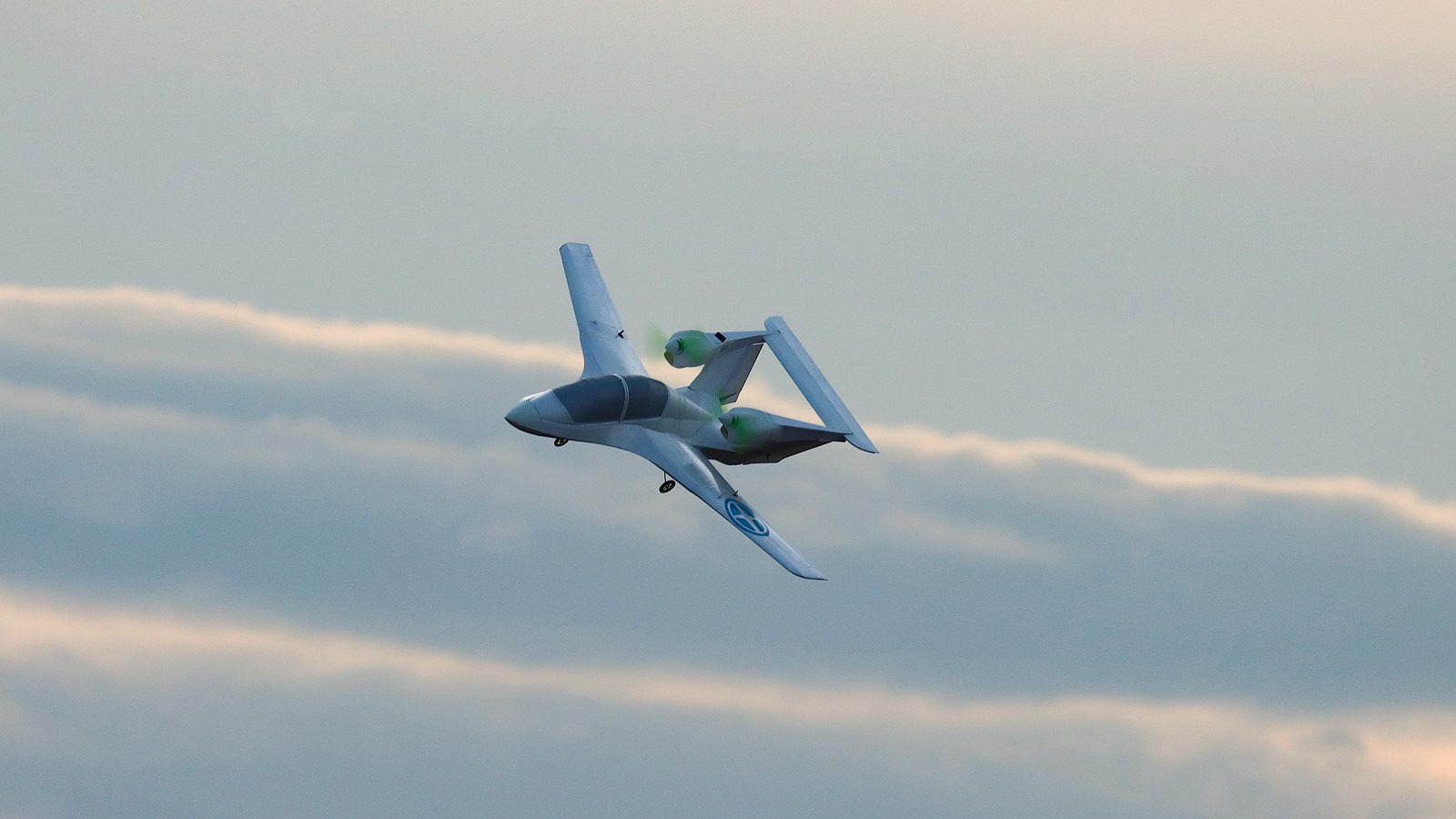
Close Coupled Twin Tractor - Sucked Wing Blown Controls
Twins are not equal. A second engine earns its place only if it brings the aircraft home. If it does no more than widen the choice of forced landing, or ask for a response that has to be right at once, it has added a hazard and called it redundancy.
A twin that makes no exceptional demand when an engine stops is redundancy an individual can rely on, and it stands against the two patterns that follow an engine failure, the turn back towards the field and the loss of control at low speed.
IACL’s proposal has a reduced thrust line arm. What that is drawn to buy is a smaller price for engine-out compensation, with single engine power to weight kept at a meaningful figure.
Split Authority - Fly By Wire
Avionics in this class advance steadily, and mostly as instruments and retrofit. That is useful and it is not the whole of what is available. The protections air transport takes from its control architecture are not something a panel can be fitted with. They belong to the design of the aircraft.
IACL’s SA-FBW proposal relies on conventional direct manual controls, trim system controls and FBW controls, without common points that would prevent graceful degradation.
It bears on physio-cognitive load management and on reduction of the risk of spatial disorientation, which reaches single pilots who fly occasionally and pilots current on much larger types.
FC7
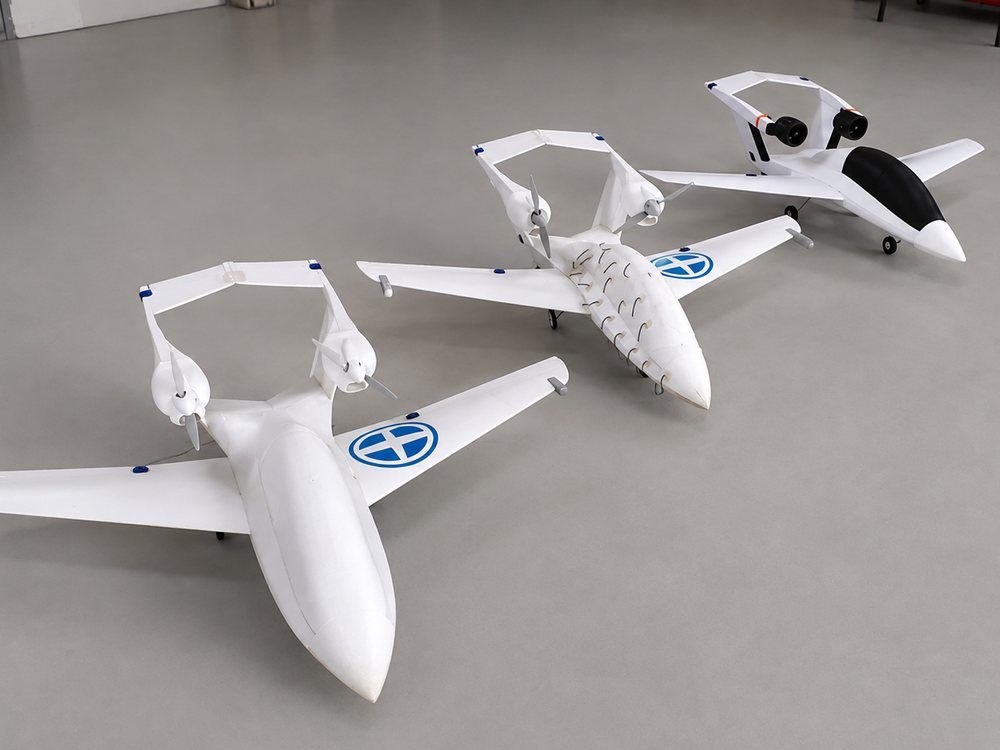
Propositions about an aircraft are settled in the air. A flying prototype puts them to the test and makes personal aerial capability gains quantifiable. The Design Charter is a reference for objectives and fulfilment.
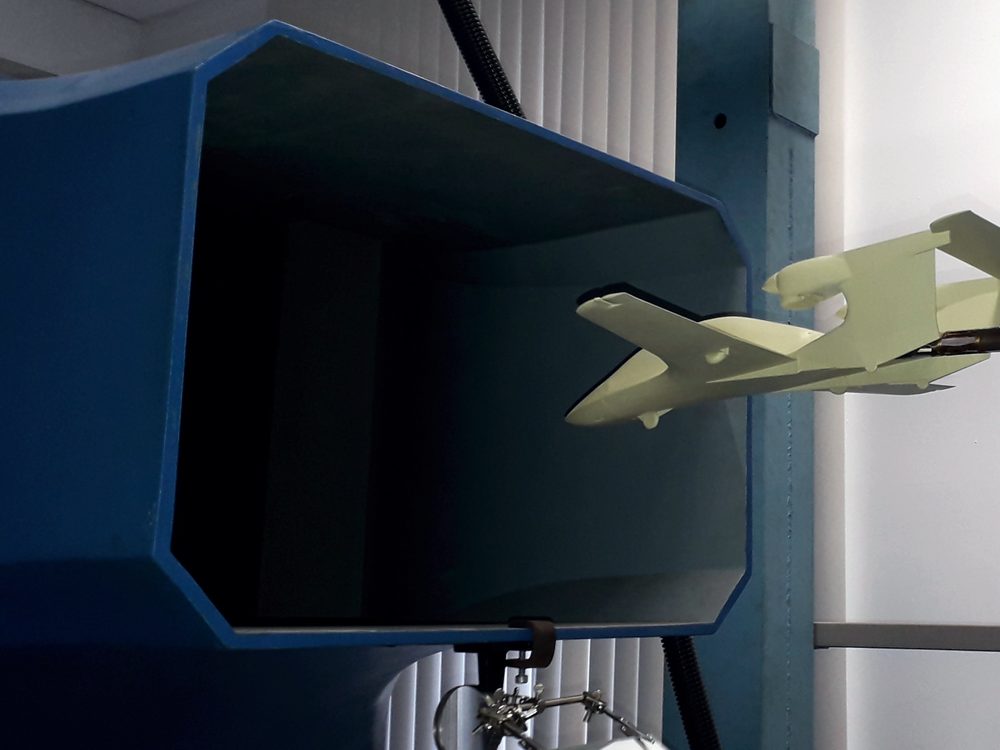
Preparing to build and fly such an aircraft is a body of work in its own right. Wind tunnel measurement, remotely piloted models, flown simulation, ergonomics and luggage volume studies at full size, bench testing of the components the design rests on. Alongside it, what the arrangement itself costs in interference, vibration and resonance, cabin noise and propulsive loads, carried as quantities to be measured rather than assumed.
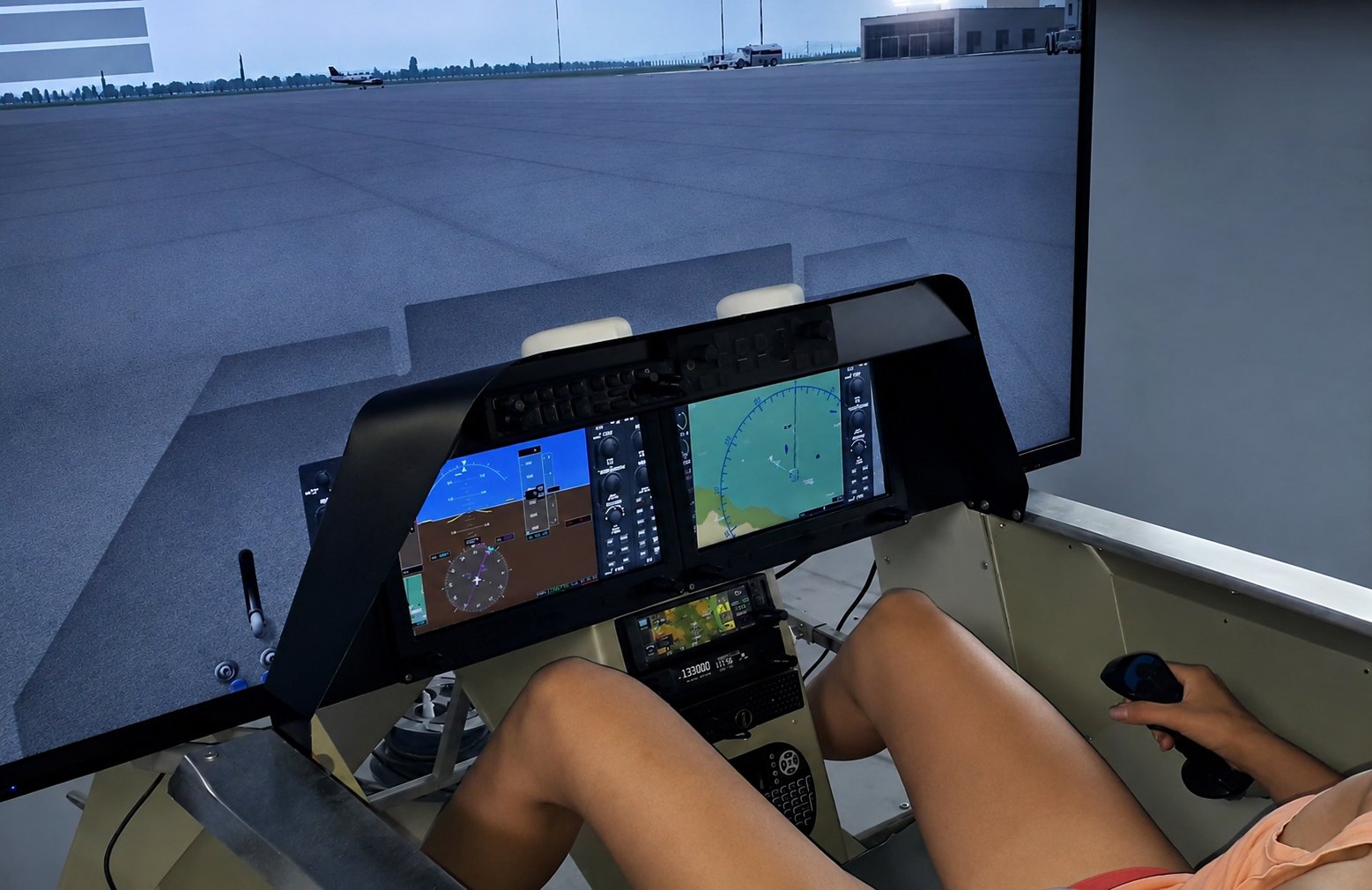
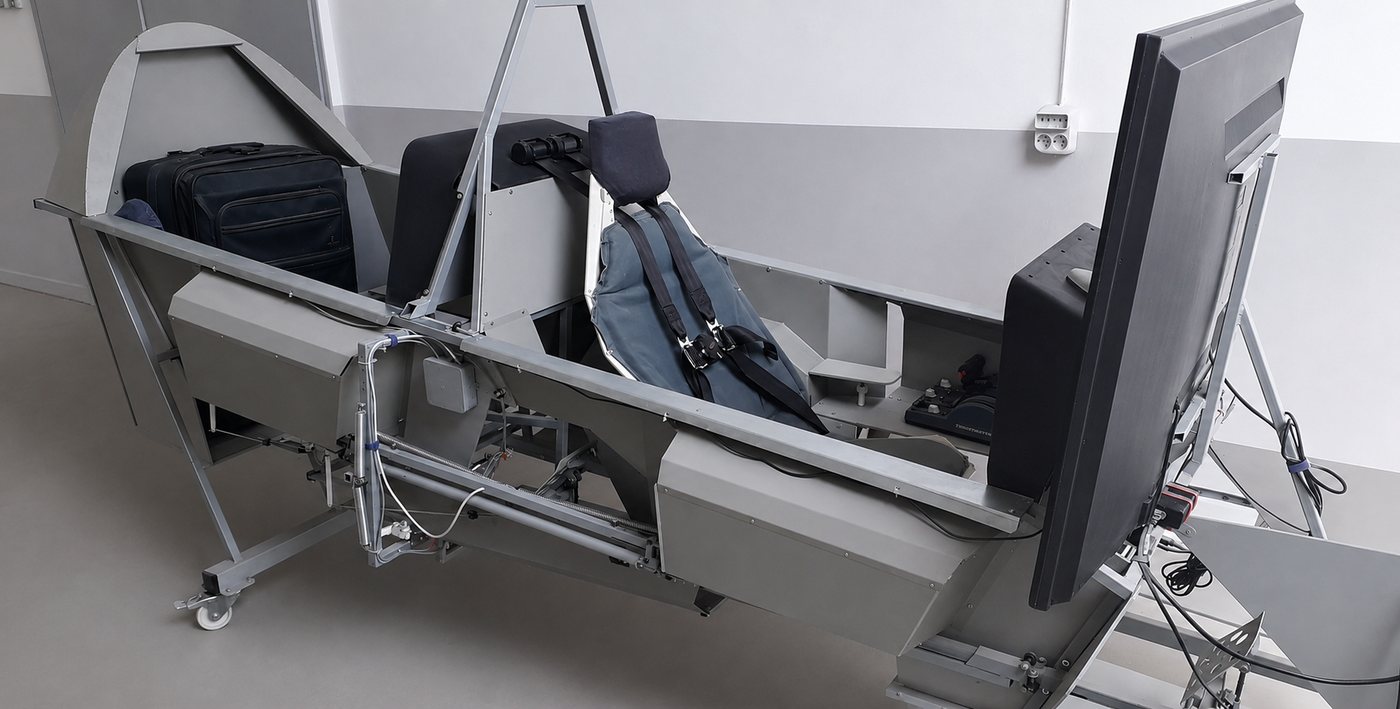
FC7 is the designation of the full-size research vehicle within IADP.