The contained experiment
The applied research setup where both the experiment and its environment are contained, shielding the process from external pressures and allowing honest results to emerge.
The constraint here is one person: one pilot, and one provider of everything the flight needs on the ground. Industry, administration and academia work under different constraints and arrive, correctly, at different priorities. Organisational operation, precedent and liability, and what can be funded and published are all real problems. None of them is this one.
Concept, build and test sit within a few hands. There is no layer to brief, convince or report to, and no interval between deciding to try something and trying it. The cost of an answer stays close to the cost of the test itself, which is what brings full-scale work within reach at this scale.
What is contained is interest, not scrutiny. The direction of the work answers to nobody; the evidence answers to anyone competent to examine it. The method and the design choices are put to qualified parties to attack, and the exchange publishes with the answers.
The same closeness is what allows a weakness to surface while it is still cheap to act on. A design examined after commitment is examined against what has already been spent, and the reading bends towards the compromise that protects it. Examined before, a weakness found is worth as much as a strength confirmed.
The arrangement doubles as a reading on what one person’s provisioning budget carries, taken under load rather than estimated.
Findings are published in full and held non-exclusively. Exclusivity would put firms in competition for access to a design. Non-exclusive findings put them in competition on the merits of what they build from it, which is the layer where competition reaches the person flying.
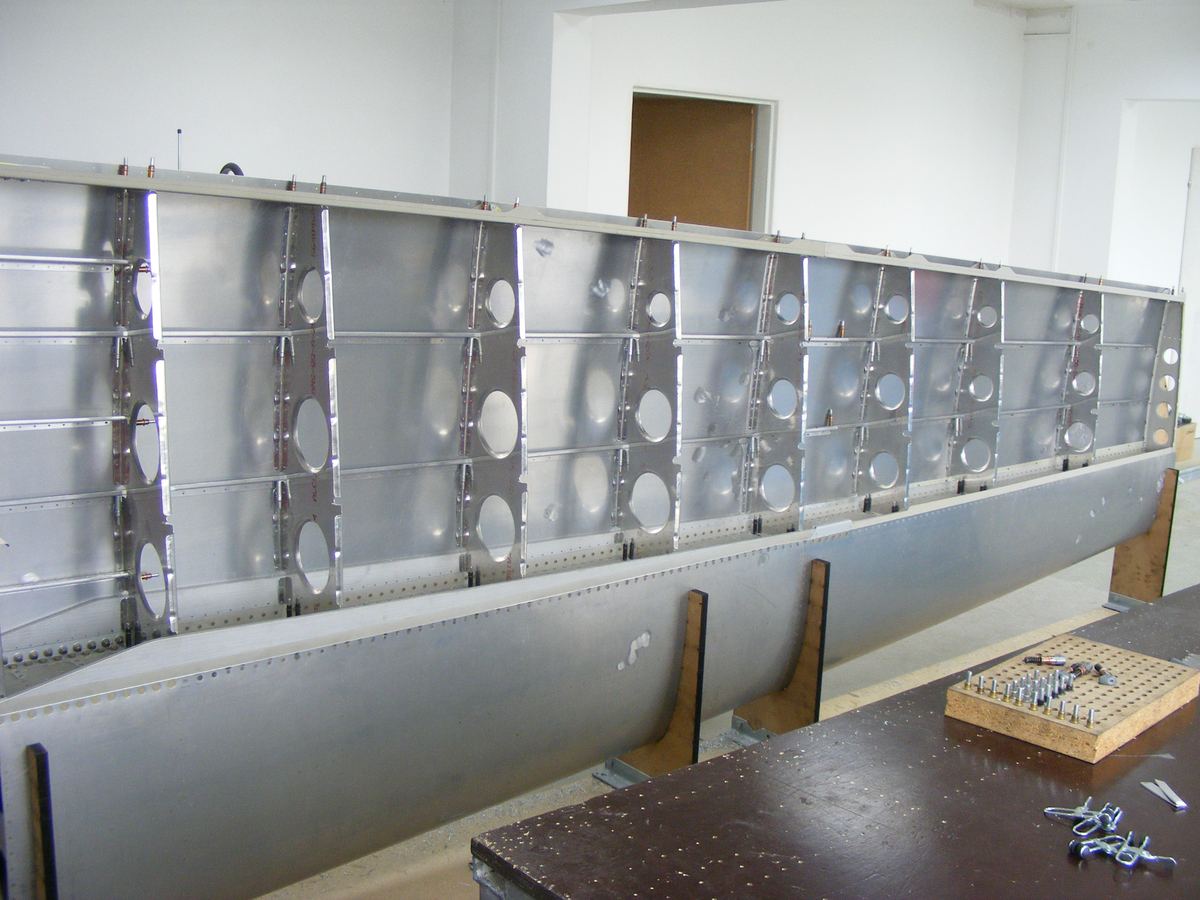
IACL Design Charter
The laboratory’s own instrument. It is written to a designer: what to spend the effort on, what to keep with the pilot, what to hold in reserve, and what each of those is answering to.
It is derived from the Embedded Capability Principle, which is held by a sister division of the same firm, and the program that will attempt it belongs to that firm as well. The interest is disclosed rather than denied, and the charter’s answer to it is that its tests admit evidence and can be applied by a party hostile to the author.
The charter optimises for capability returns: what the flight is worth to the person who makes it, measured against what that person has to hold in order to make it. The optimisation for economic returns is correct where a product must earn, and where it holds it converges performance on the approvable minimum and moves workload and cost onto the operator, where they arrive later as pilot error and as price. Neither route above holds the budgets fixed, which is what makes the difference a matter of direction rather than of degree.
Where an operator stands behind a flight, the framework buys protection with requirement: duty limits, currency, monitoring, a management system over all of it. Where one person flies alone it buys nothing and trades instead, relief against restricted operation and accepted consequence. The pilot’s capacity absorbs what the trade left out, at whatever it happens to be that day. What is missing is not permission but protection, and it has to come from the aircraft.
Both budgets are fixed and performance floats. Effort is spent on severity rather than on probability, because a safety case resting on one person noticing in time is not a safety case. Protection is charged to the same budgets it defends, so anything billed twice, once in money and again in attention at the moment of least available capacity, is visible as a cost rather than counted as a gain.
Work reserved to an approved organisation cannot be met with the holder’s own time and competence at any level of skill, so where the money for it is beyond them the capability is closed rather than expensive. Where the design provides more than the minimum, the surplus stays a choice for the person flying instead of being spent at the drawing board.
Every objective states a direction and the evidence that shows movement along it, so a claim of improvement can be tested and what it cost from each budget can be shown. Attempts report whichever way they fall, and name their departures with the grounds for them.
It is a document to work from rather than one to be measured against. Anyone drawing an aircraft for this domain can take the directions and owes nothing for them, here or to anyone.
Certification gates commercialisation. It does not gate capability, and it does not forbid finding out what an aircraft can do.
Launched 2022
Individual Aircraft Development Program (IADP)
Narrowing the safety and viability gap in individual aviation hardware. Two propositions, in redundancy and in control, carried on a full-scale research aircraft.
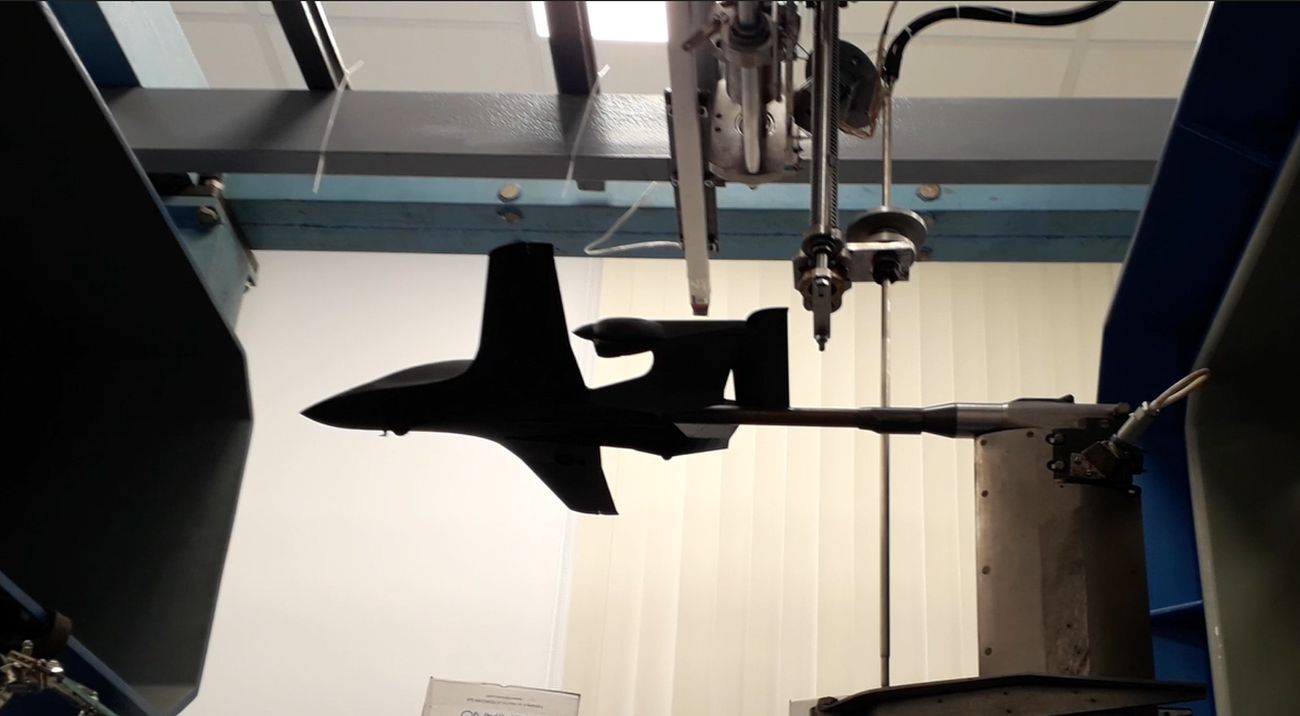
Launched 2024
Robot Platform Development Program (RPDP)
Unmanned systems, where the maximand is productive performance rather than the two budgets of a person aboard. The subject is aerial labour that is unattractive or hazardous to fly by hand, and what it takes to hand that work to a machine.
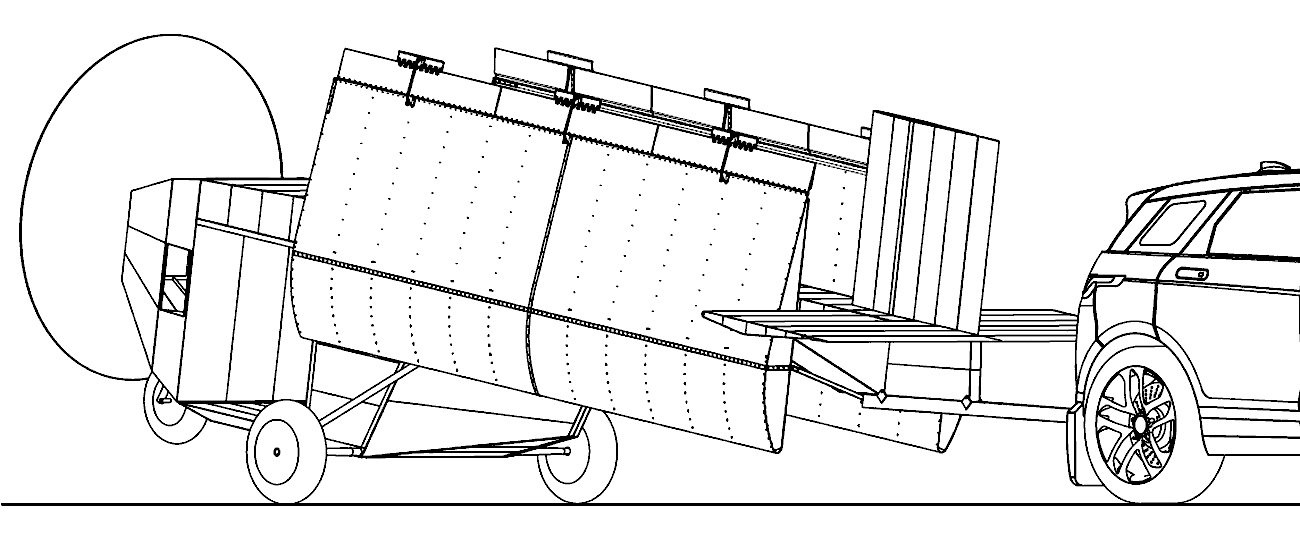
Track record
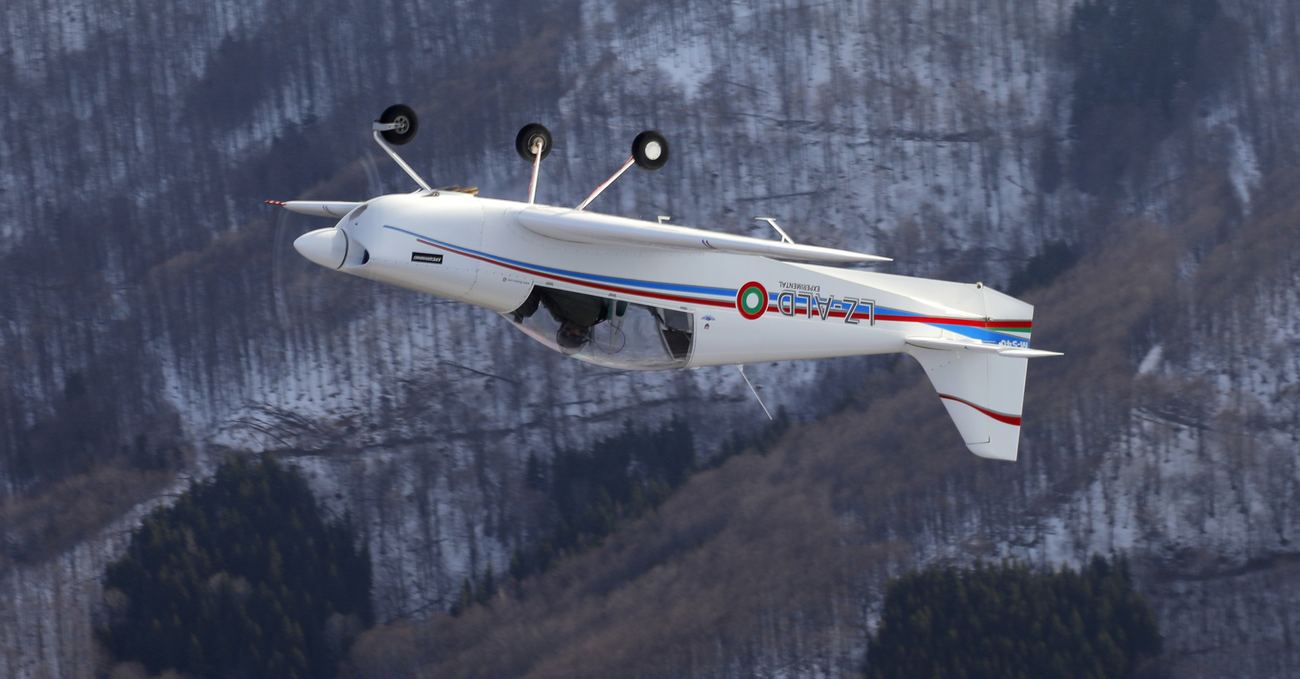
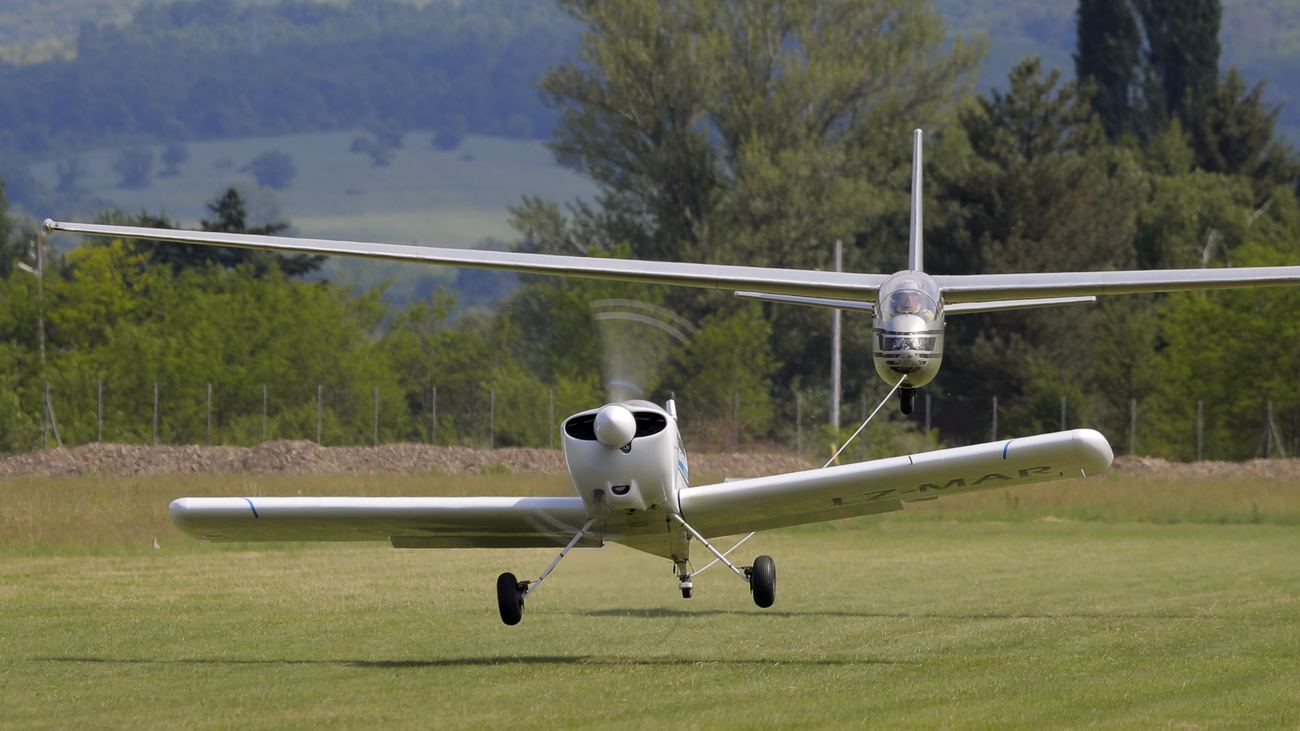
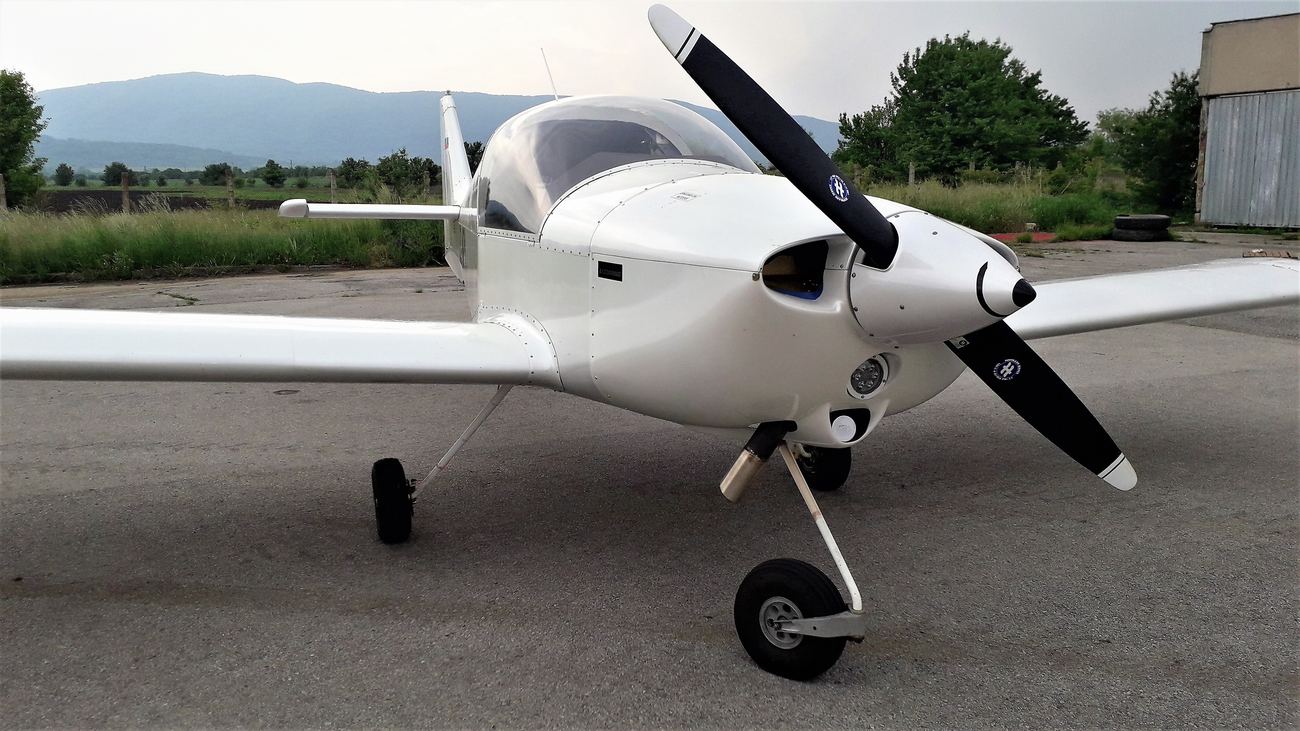
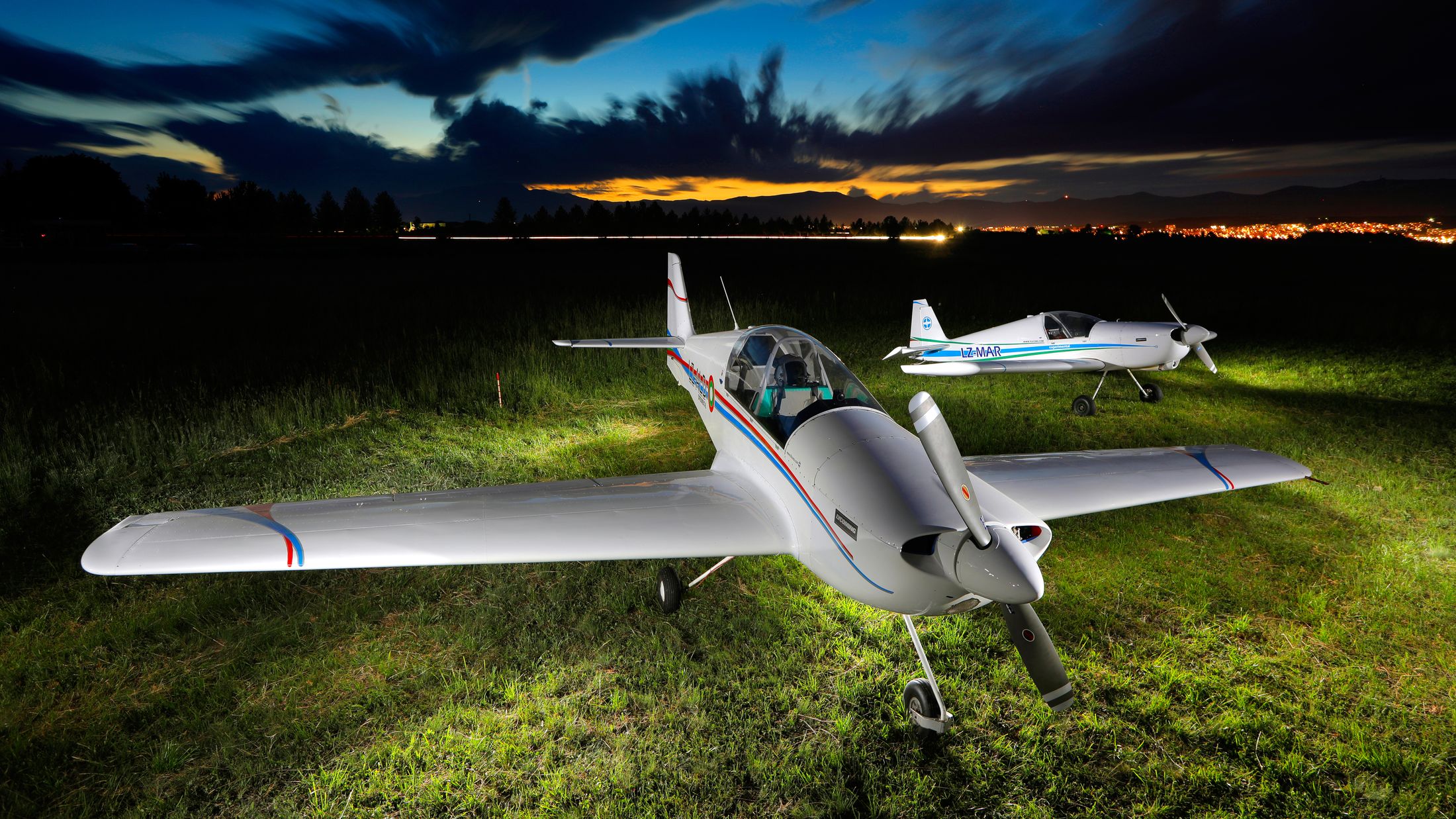
More than two decades of aircraft conceived, designed, built and tested. Several lineages, taken beyond prototypes and flown beyond their test programs, some in the hands of parties who had no part in building them. Each was carried from drawing to flight on means an individual could raise, in a facility built alongside them and owned. The equipment is in place, the competence is current, and the programs above are running. What backing and own labour convert into here is established rather than projected.